Divyang SARTHI
A digital learning ecosystem supporting children with intellectual disabilities.
Overview
Audience: Children with intellectual disabilities
Role: Freelance Learning Content Designer
The Project
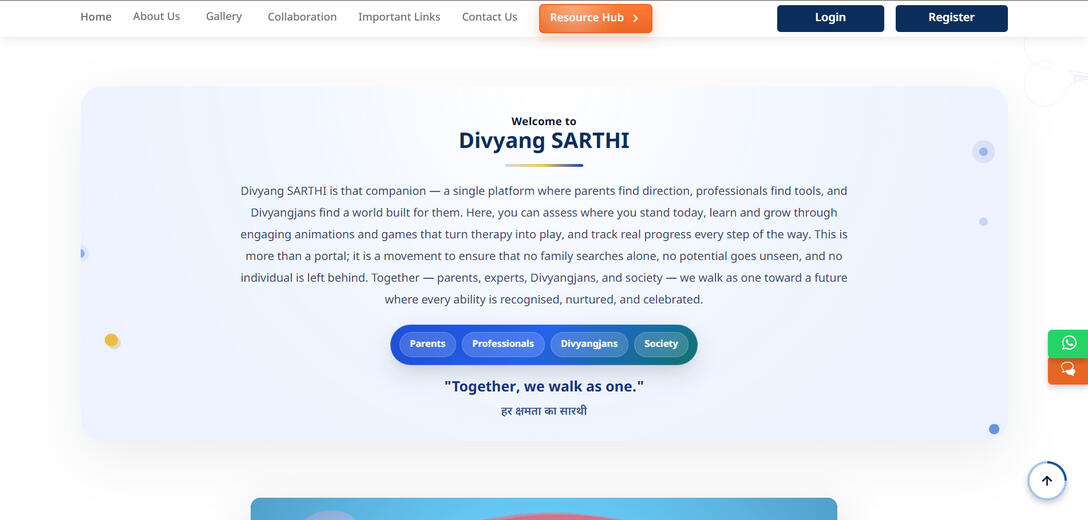
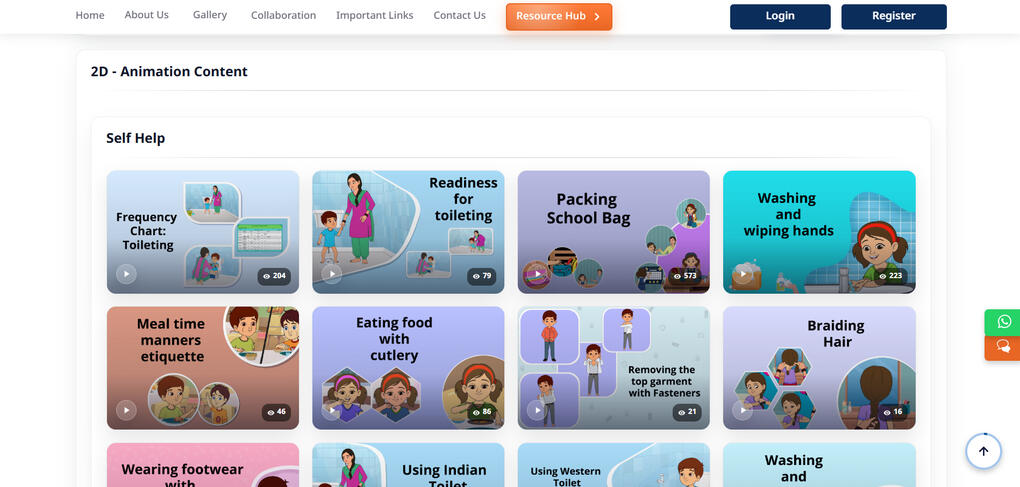
Divyang SARTHI is an initiative by the Government of India designed to provide a national digital learning platform that brings together educators, therapists, parents, and learners into one integrated learning ecosystem. The platform combines child assessments, Individualized Education Plans (IEPs), progress tracking, and hundreds of interactive learning experiences spanning academics, communication, daily living skills, self-help, domestic skills, vocational readiness, and AR/VR-based learning.
My Contribution
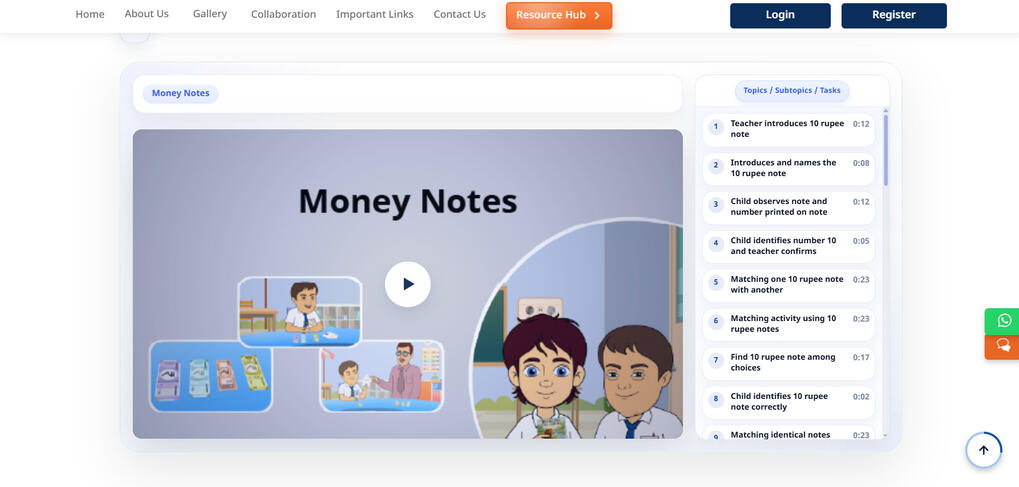
I joined the project as a Freelance Learning Content Designer after the initial instructional framework and a small set of pilot learning modules had already been established. Working within these evolving guidelines, I contributed to the development of the educational content while ensuring consistency across the growing content library.My responsibilities included:
• Collaborating closely with subject matter experts to translate educational objectives into accessible and engaging learning experiences.
• Developing instructional scripts that kept the learner's context, cognitive needs, and real-world application at the center of every lesson.
• Reviewing and refining scripts developed by junior writers to ensure they aligned with the project's instructional approach and quality standards.
The Challenge
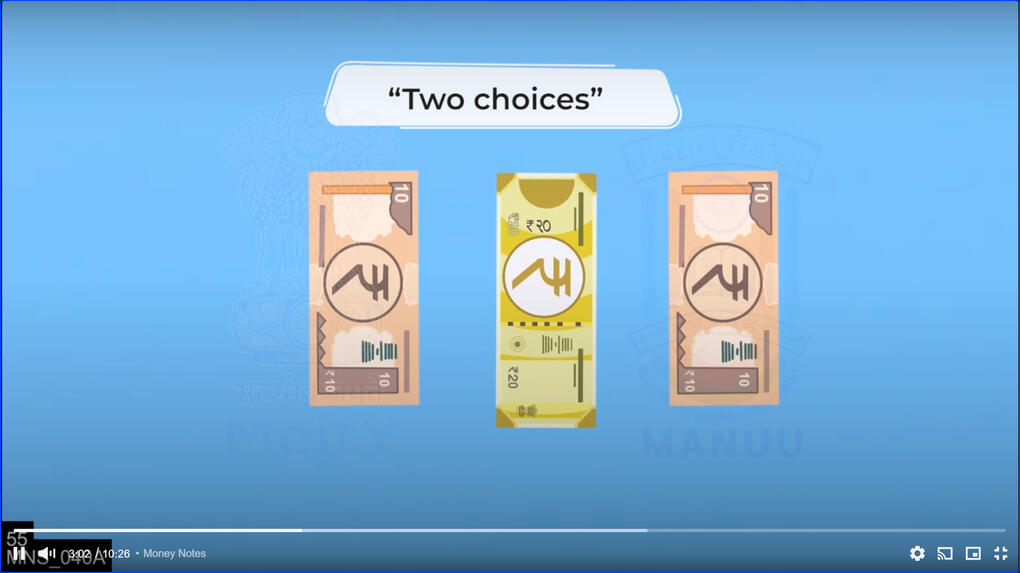
Designing content for children with intellectual disabilities required a very different instructional approach from traditional educational content. Every learning experience had to balance simplicity with learner engagement while supporting a wide range of cognitive abilities.The content needed to:
• Break everyday activities into small, manageable learning steps.
• Use simple, consistent language throughout each lesson.
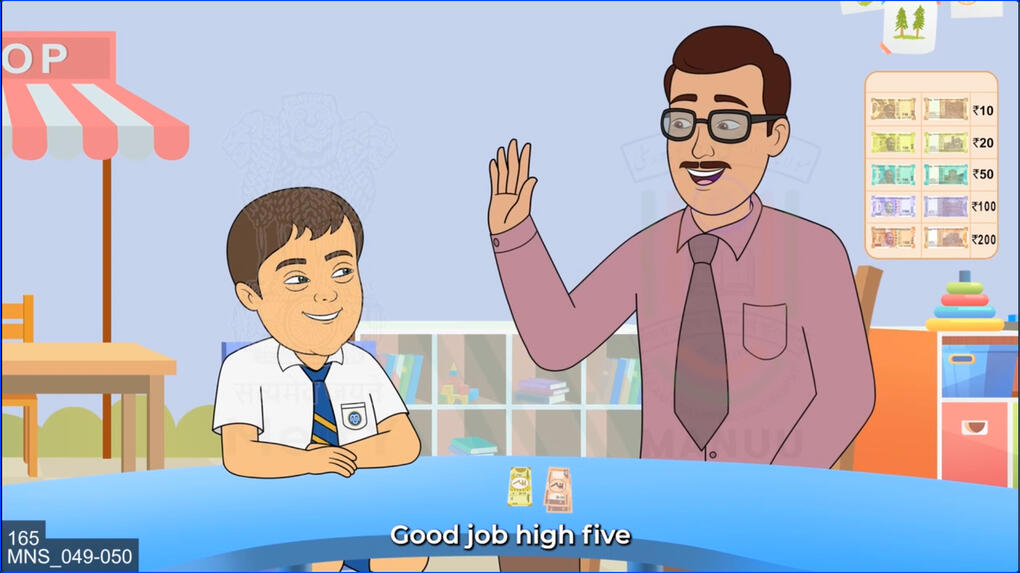
• Reinforce learner confidence through immediate positive feedback.
• Repeat and revisit important concepts without creating unnecessary cognitive load.
• Encourage participation while maintaining consistency across hundreds of learning modules.
Reflection
My background in storytelling meant I initially saw my role as writing educational scripts. Looking back, I realize I was making instructional decisions throughout the process. Choices around sequencing, repetition, positive reinforcement, and learner interaction were shaping how the learner experienced the content, not just how the story unfolded.What stayed with me most was how quickly I was able to adapt. Designing for children with intellectual disabilities meant learning an entirely new learner context, collaborating closely with subject matter experts, and working within an established instructional framework. It gave me confidence that I can step into unfamiliar domains, understand the learner, and contribute meaningfully without needing to start from scratch.